Tim Cook Resigns: Apple CEO Tim Cook steps down after 15 years, transitioning to executive chairman. John Ternus takes over as CEO amid growing AI competition
Leadership Transition at Apple
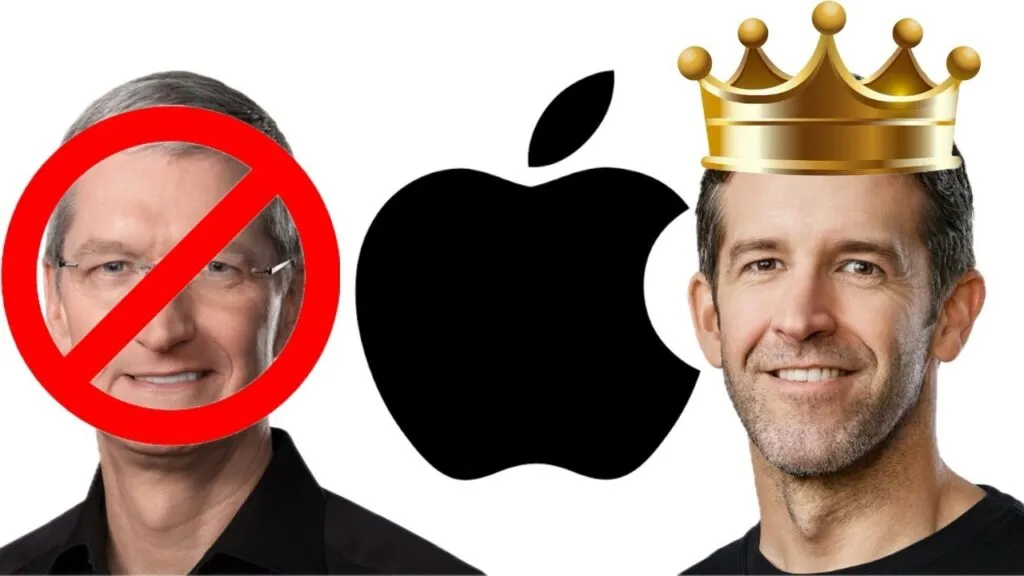
After 15 years at the helm, Tim Cook is stepping down as CEO of Apple and will transition into the role of executive chairman starting September. This marks a significant leadership shift for one of the world’s most valuable companies. Cook took over in 2011 following the passing of Steve Jobs and has since led Apple through a period of unprecedented growth, increasing its market valuation to over $4 trillion. Under his leadership, Apple expanded its ecosystem, strengthened global supply chains, and significantly boosted revenue and profitability. The decision to step down now appears strategic, allowing Cook to exit on a high note while ensuring continuity within the company’s leadership structure.
Why Tim Cook Chose This Moment
The timing of Cook’s departure has been a topic of discussion across the tech industry. At 65, Cook is likely focusing on legacy and long-term impact, having already secured Apple’s dominance in hardware and services. Reports suggest that internal discussions about succession had been ongoing for months. Another major factor is the shifting landscape of technology, particularly the rise of artificial intelligence. As the industry moves into an AI-driven era, Cook may be passing the responsibility of navigating this complex transition to a new leader. Apple has faced criticism for lagging behind competitors in AI innovation, especially in areas like digital assistants, where Siri has struggled to match rivals in performance and adoption.
The Rise of John Ternus
John Ternus, currently Apple’s Senior Vice President of Hardware Engineering, will take over as CEO. Ternus has been with Apple since 2001 and has played a key role in developing some of its most successful products, including the iPad and AirPods. Known for his low-profile and operational expertise, Ternus represents a continuation of Cook’s management style rather than a return to the visionary approach associated with Steve Jobs. Within Apple, he is recognized as a detail-oriented leader who understands the company’s engineering and supply chain processes deeply. His appointment signals Apple’s preference for stability and execution over bold, high-risk innovation at the leadership level.
Apple’s Future in the AI-Driven Tech Race
The leadership change comes at a critical time as major tech companies compete to dominate the AI space. Apple is currently working on improving its AI capabilities, including a revamped version of Siri aimed at delivering a more advanced and intuitive user experience. However, the company faces stiff competition from rivals who have already integrated powerful AI systems into their products. Ternus will need to balance maintaining Apple’s hardware excellence while accelerating its AI strategy to remain competitive. The next phase of Apple’s growth will likely depend on how effectively it can integrate artificial intelligence across its ecosystem, from iPhones to services, while preserving its reputation for privacy and seamless design.
Tim Cook resigns, Apple CEO change 2026, John Ternus CEO Apple, Apple AI strategy, Apple leadership change, Siri future AI, Apple New CEO, Apple CEO