
Rumors about Benjamin Netanyahu allegedly being targeted by an Iranian missile sparked global speculation online. Explore how misinformation, strategic silence, and information warfare shape modern geopolitics.
Benjamin Netanyahu Rumor: How Information Warfare and Social Media Shape Global Speculation
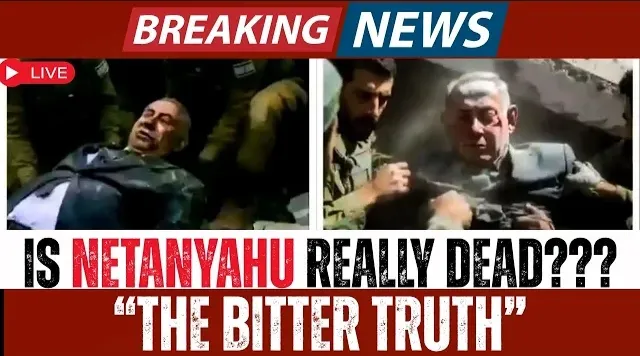
In the modern digital age, a rumor can travel across the world in minutes. Recently, online speculation erupted after claims surfaced suggesting that Israel’s prime minister, Benjamin Netanyahu, had been targeted or even killed in an alleged missile strike.
There was no official confirmation, no verified evidence, and no reliable sources supporting the claim. Yet within hours, the story spread across thousands of social media posts, blogs, and online discussions.
The situation highlights a powerful reality of modern geopolitics: information can move faster than military weapons, and rumors themselves can become tools of influence.
How a Leader’s Absence Fuels Global Speculation
Political leadership in the modern era is closely tied to visibility. Leaders regularly appear at press conferences, diplomatic meetings, public speeches, and media briefings. These appearances reassure citizens and signal stability.
When a high-profile leader suddenly disappears from public view, people naturally begin asking questions.
In regions with long-standing tensions—particularly between Israel and Iran—even a short period without public communication can trigger intense speculation.
Online users quickly began asking the same question:
“Where is Netanyahu?”
From there, the narrative evolved rapidly. Some posts speculated about security threats, while others escalated the story into claims of a missile attack. Within hours, the rumor spread across international social media networks.
Information Warfare in Modern Geopolitics
Today’s geopolitical rivalries are no longer limited to military actions. A growing battlefield exists in the digital information space.
Information warfare involves shaping public perception, influencing opinion, and creating uncertainty among populations. Governments, affiliated media outlets, and online communities may promote narratives that portray their own side as strong while casting opponents as weak or vulnerable.
Rumors about prominent figures can become powerful psychological tools.
When a claim circulates suggesting that a major leader like Benjamin Netanyahu has been harmed or targeted, the story itself can trigger emotional reactions before any verification occurs.
Even if the rumor later proves false, it may still achieve its purpose by:
- Creating uncertainty
- Distracting attention
- Triggering political reactions
- Influencing public sentiment
Why Missile Strike Narratives Spread Quickly
Missiles represent one of the most visible symbols of military conflict. Their destructive power and historical association with sudden attacks make them particularly dramatic in news narratives.
Because tensions between Israel and Iran have been widely discussed in global politics, even an unverified claim of a missile strike immediately captures international attention.
People instinctively imagine worst-case scenarios, which increases engagement and discussion online.
As the rumor spreads, media outlets, bloggers, and influencers may repeat the story due to its dramatic nature, further amplifying its reach.
The Role of Social Media Amplification
Digital platforms have transformed how information spreads. Posts can reach millions of users before fact-checking organizations or governments have time to respond.
Algorithms on social media platforms tend to promote content that generates strong engagement—especially dramatic or alarming posts.
This means rumors often travel faster than verified information.
Each new post repeating the story can make it appear more credible, even if the original claim lacks evidence. Over time, the narrative evolves independently of its source.
Strategic Silence and Its Consequences
Governments sometimes respond to rumors with deliberate silence. Officials may delay public statements while verifying facts, assessing security risks, or coordinating diplomatic responses.
However, this strategic silence can unintentionally fuel speculation.
Without immediate clarification, social media users begin filling the information gap themselves. Screenshots, assumptions, and unverified claims spread rapidly across digital networks.
In such situations, the absence of information becomes a powerful signal, even if the reality is far less dramatic.
The Psychology Behind Political Rumors
Human psychology plays a major role in the spread of political rumors. People are naturally drawn to dramatic stories, especially those involving powerful figures or national security.
When a claim emerges suggesting that a prominent leader like Benjamin Netanyahu has been attacked, it triggers strong emotional responses:
- Fear
- Curiosity
- Urgency
- Suspicion
These emotions increase the likelihood that people will share the story with others.
In addition, individuals often believe information that aligns with their existing expectations or anxieties. In conflict-prone regions, dramatic rumors can therefore appear especially convincing.
The Bigger Lesson: Perception as a Strategic Tool
The rumors surrounding Benjamin Netanyahu reveal something deeper than speculation about a missile strike.
They illustrate how modern conflicts are increasingly shaped by narratives, perceptions, and digital information flows.
A leader’s temporary absence, combined with social media amplification and strategic silence, can produce a global wave of speculation within hours.
In today’s interconnected world, uncertainty itself can become a strategic instrument.
Understanding how rumors spread—and why people believe them—is essential for navigating the complex landscape of modern geopolitics.
Because in the digital era, the battle for perception often begins long before the facts arrive.
Also Read : Putin Trump Phone Call Focuses on Iran War and Diplomatic Settlement
Benjamin Netanyahu rumor, Iran Israel tensions, information warfare, Netanyahu missile rumor, geopolitics misinformation, Israel Iran conflict news, political rumors analysis



1 thought on “Benjamin Netanyahu Rumor Explained: How Information Warfare and Social Media Fuel Global Speculation”