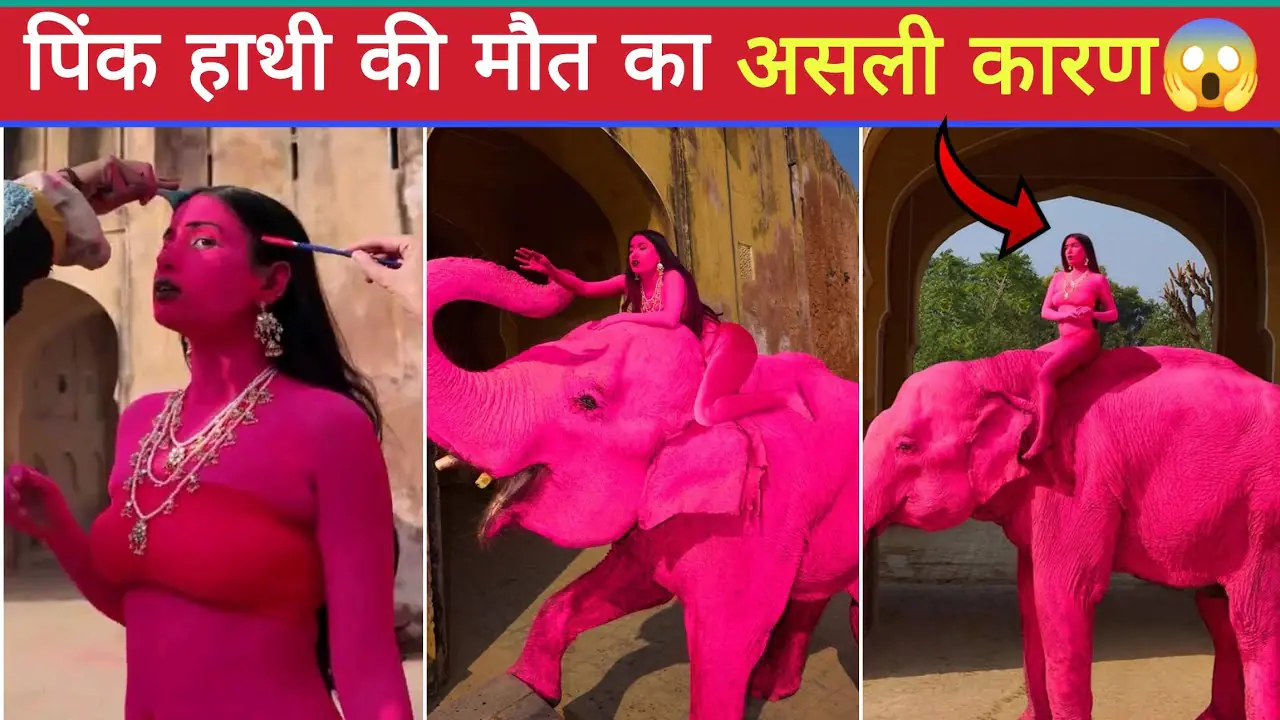
Pink Elephant Controversy: A viral photoshoot in Jaipur featuring a pink-painted elephant sparks debate over art vs animal cruelty. Read the full story, public reactions, and ethical concerns.
Pink Elephant Controversy: Art, Aesthetics, or Animal Cruelty?
What Happened in Jaipur?
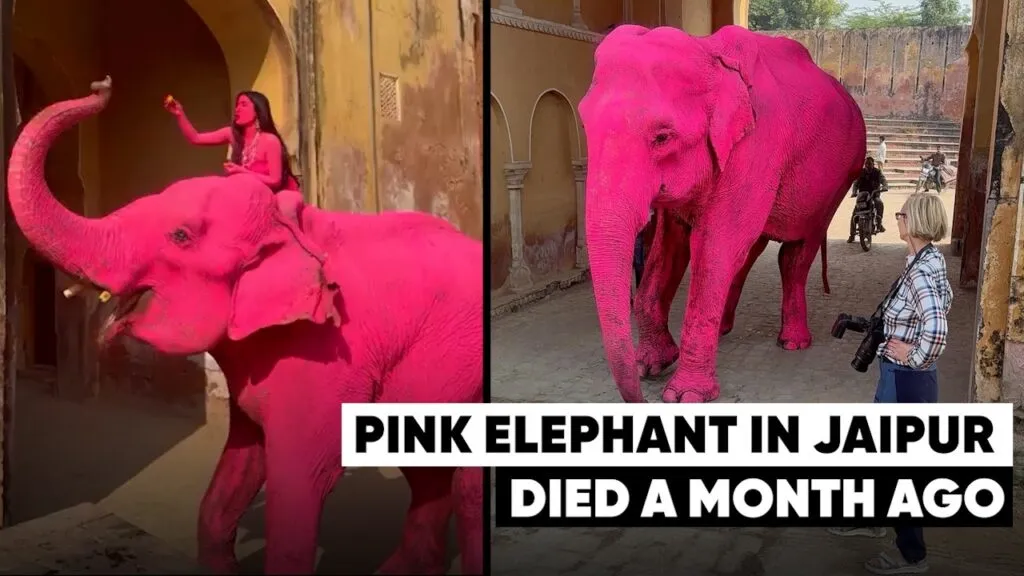
The city of Jaipur—widely known as the Pink City—recently became the center of a heated controversy. A foreign photographer, Julia Burujeva, conducted a photoshoot featuring a female elephant named Chanchal, which was painted pink to match the city’s iconic aesthetic.
The images quickly went viral across social media platforms, drawing both admiration and criticism. While some praised the creativity and visual storytelling, others strongly condemned the act as insensitive and unethical.
The Core Debate: Art vs Ethics
At the heart of the controversy lies a fundamental question:
Can artistic freedom justify the use of animals as visual props?
Supporters argue that the shoot was a symbolic representation of Jaipur’s cultural identity. However, critics point out that no artistic vision should come at the cost of an animal’s dignity or well-being.
Even if the intention was purely aesthetic, the ethical implications cannot be ignored—especially when the subject is a living being incapable of consent.
Clarification from Elephant Village Authorities
Following public outrage, officials from Jaipur’s Elephant Village stepped in to clarify key details:
- The elephant, Chanchal, was around 70 years old.
- The photoshoot took place nearly a year before her death.
- The color used was reportedly natural “gulal” (similar to Holi colors).
- The paint was applied lightly on one side and washed off soon after.
Authorities emphasized that the elephant’s death was unrelated to the photoshoot and was due to old age.
While this clarification addressed misinformation, it did not fully resolve the ethical concerns raised by the public.
Social Media Reactions: A Divided Audience
The internet responded sharply, reflecting a shift in public consciousness:
- Many users labeled the act as “cruel,” “insensitive,” and “exploitative.”
- Some demanded strict legal action under animal protection laws.
- Others sarcastically praised the photographer, suggesting that controversy—not creativity—brought attention.
This division highlights a growing trend:
People are no longer judging visuals solely on beauty—they are questioning the story and morality behind them.
Bigger Question: Are We Evolving or Just Rebranding?
This incident goes beyond a single photoshoot. It raises deeper societal concerns:
- Are animals still being treated as decorative tools?
- Does cultural representation justify potential discomfort to living beings?
- Are we progressing ethically, or simply making exploitation look more “aesthetic”?
The argument that elephants symbolize Rajasthan may hold cultural weight—but transforming a real animal into a painted prop blurs the line between celebration and exploitation.
Conclusion
The Jaipur pink elephant controversy is not just about one photoshoot—it is a reflection of evolving societal values.
Artistic expression is important, but it cannot exist in isolation from responsibility. When creativity intersects with living beings, empathy must take precedence over aesthetics.
True beauty lies not in visual perfection, but in ethical integrity.
Pink Elephant Jaipur, Animal Cruelty Photoshoot India, Julia Burujeva Elephant Controversy, Jaipur Elephant Village News, Ethical Photography Debate