
RBI UPI rule 2026: RBI’s proposal to delay UPI payments above ₹10,000 by 1 hour sparks debate. Learn its impact on businesses, fraud prevention, and digital payments in India.
RBI’s 1-Hour UPI Payment Delay Proposal: A Game Changer or a Setback?
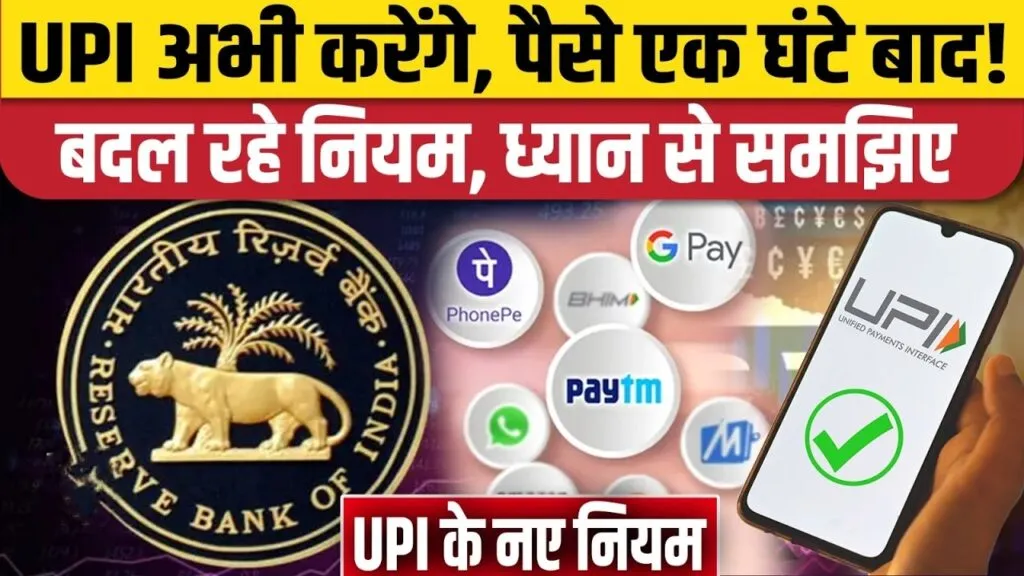
India’s digital payment ecosystem has witnessed explosive growth in recent years, largely driven by the Unified Payments Interface (UPI). However, a recent proposal by the Reserve Bank of India (RBI) suggesting a 1-hour delay on UPI payments above ₹10,000 has triggered widespread debate across businesses, consumers, and financial experts.
Rising UPI Usage and the Fraud Challenge
UPI has become the backbone of India’s digital economy, especially after the COVID-19 pandemic accelerated the shift toward cashless transactions. According to official data, UPI transactions reached 22.64 billion in March 2026, up from 20.29 billion in February. The total transaction value crossed ₹29.53 lakh crore, reflecting massive adoption.
However, this rapid growth has also led to a surge in financial frauds. Reports indicate that UPI-related frauds amounted to ₹805 crore in FY 2025-26, highlighting vulnerabilities in instant payment systems. Cybercriminals exploit techniques such as phishing links, fake UPI IDs, and OTP scams to siphon money from unsuspecting users.
Key Features of RBI’s Proposal RBI UPI Rule 2026
To address rising fraud cases, RBI released a discussion paper suggesting several preventive measures. One of the most debated recommendations is the mandatory 1-hour delay for transactions above ₹10,000.
Other notable proposals include:
- Whitelisting beneficiaries before sending higher amounts
- Trusted contacts for senior citizens to approve transactions
- Kill switch feature to stop suspicious transactions instantly
- Additional checks for transactions above ₹25 lakh in new accounts
These measures aim to enhance security and give users time to identify fraudulent activity before money is transferred.
Concerns from Businesses and Consumers
While the proposal focuses on fraud prevention, it has raised serious concerns regarding convenience and efficiency. UPI’s biggest strength is instant payments, which may be compromised if delays are introduced.
For businesses, especially small traders and retail shops, this could disrupt daily operations. Imagine a customer purchasing goods worth over ₹10,000 but having to wait an hour for payment confirmation. This delay could lead to lost sales and operational inefficiencies.
Similarly, individuals may face issues in urgent situations such as:
- Paying hospital bills
- Booking travel tickets
- Making emergency purchases
- Paying school or utility fees
Such delays could push users back toward cash transactions, undermining India’s digital payment progress.
Will It Really Stop Fraud?
Another critical concern is whether these measures will effectively curb fraud. Experts argue that cybercriminals may adapt quickly. For instance, scammers could manipulate users into whitelisting fraudulent accounts before initiating transactions, bypassing safeguards.
This raises an important question:
Will added friction truly prevent fraud, or just inconvenience genuine users?
The Road Ahead: Discussion Before Decision
It is important to note that RBI has not implemented these rules yet. The proposal is part of a discussion paper, inviting feedback from stakeholders, businesses, and the general public.
The final decision will likely balance security and convenience, ensuring that fraud prevention measures do not compromise the efficiency that made UPI successful.
Conclusion
RBI’s proposal reflects a genuine attempt to tackle rising digital payment frauds. However, the suggested 1-hour delay for transactions above ₹10,000 could significantly impact user experience and business operations.
As India continues to lead in digital payments, the challenge lies in protecting users without slowing down innovation. The outcome of this discussion will shape the future of UPI and digital transactions in the country.
RBI UPI rule 2026, UPI payment delay, RBI new proposal UPI, UPI fraud prevention India, digital payment rules India